
Employee Engagement Needs a Revolution — Game Design Has the Answer
Engagement surveys, team lunches, and ping-pong tables haven't moved the needle. The organisations winning the talent war are borrowing tools from an unexpected place: game design.
Gallup’s annual State of the Global Workplace report has delivered the same uncomfortable finding for over a decade: roughly 77% of employees are either not engaged or actively disengaged at work. That’s a staggering number — and it has barely shifted despite billions spent on engagement initiatives.
The standard toolkit hasn’t worked. So where do we look?
What Game Designers Know That HR Doesn’t
Game designers have spent fifty years solving a problem that HR professionals are only beginning to recognise as their own: how do you sustain voluntary effort over extended periods of time?
Nobody forces people to spend hundreds of hours in a video game. They do it because the experience is structured around a set of design principles that make sustained engagement almost inevitable:
- Clear, meaningful goals that create a sense of direction and purpose
- Visible progress so effort feels cumulative, not futile
- Autonomy in how to approach challenges — not just what to do, but how
- Social status dynamics that make achievement visible to peers
- Variable reward schedules that maintain anticipation without predictability
These aren’t gimmicks. They’re deeply rooted in intrinsic motivation research. And they’re almost entirely absent from how most organisations structure work.
The Difference Between Gamification and Gimmicks
The word “gamification” has a mixed reputation — and fairly so. Bolting a leaderboard onto a sales dashboard or giving people badges for completing compliance training isn’t gamification. It’s window dressing.
True gamification — the kind that moves engagement metrics — requires redesigning the underlying experience, not decorating the surface.
At Numen Games, our EXPERIENCE service does exactly this. We work with organisations to identify the moments in their employee journey where engagement naturally drops — and redesign those moments using game design methodology.
This might mean:
- Restructuring a performance review process as a quest-based development journey
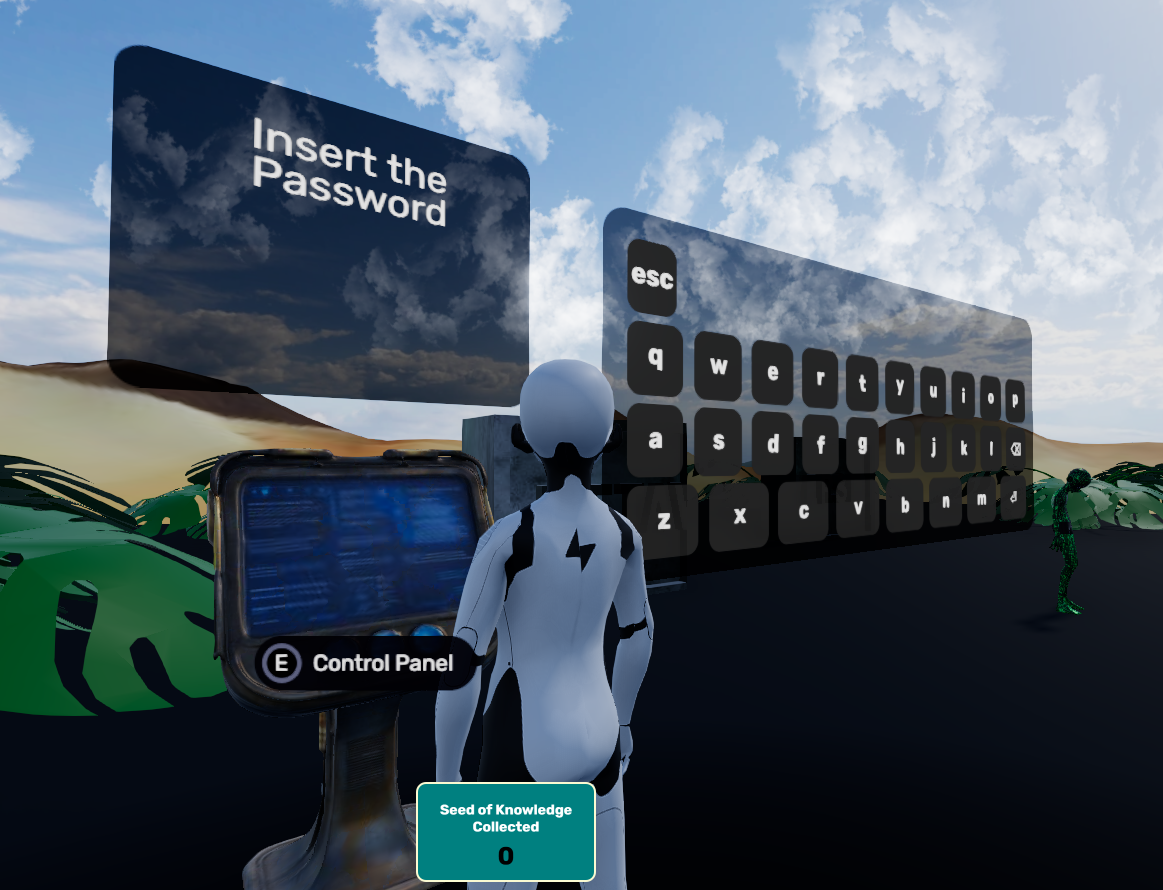
- Building a 3D virtual headquarters where distributed teams have a shared social space
- Creating company-wide narrative events that surface culture organically rather than communicating it top-down
The ROI of Engaged Employees
The business case for engagement isn’t soft. Highly engaged business units achieve:
- 23% higher profitability (Gallup)
- 18% higher productivity
- 43% lower turnover in high-turnover industries
For an organisation of 500 people with average salary costs, even a modest reduction in turnover represents millions in saved recruitment and onboarding costs annually.
Starting the Conversation
Engagement transformation doesn’t happen in a workshop. It happens through sustained, intentional experience design — applied to the moments that matter most in your employee’s day.
If you’d like to understand where your organisation’s engagement gaps are and how game design principles could address them, start a conversation with our team. We offer diagnostic sessions that identify the highest-leverage opportunities before any design work begins.
